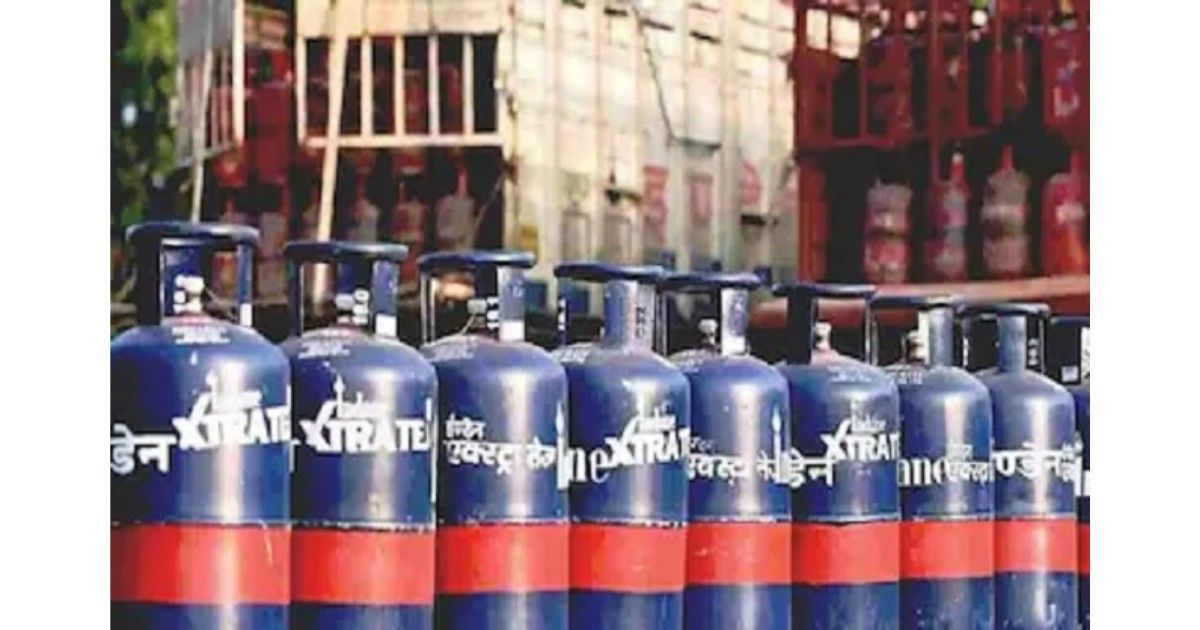
Commercial liquefied petroleum gas (LPG) cylinder prices have been increased by ₹195.50 across India, with the revised rates coming into effect immediately. The price revision, implemented by state-run oil marketing companies, primarily affects commercial users such as restaurants, hotels, and small businesses.
According to data released by Indian Oil Corporation, the cost of a 19-kg commercial LPG cylinder in Delhi has risen to ₹2,078.50, up from its previous price. The increase comes amid a surge in global crude oil prices linked to geopolitical tensions in West Asia.
Sharp Increase in Commercial LPG Prices
The latest hike marks one of the more significant increases in recent months.
The 19-kg commercial LPG cylinder, widely used by businesses, has seen a steep rise of ₹195.50. This follows an earlier increase of ₹114.50 implemented on March 1, indicating a continuing upward trend in commercial fuel costs.
Such revisions are carried out periodically by oil marketing companies based on fluctuations in international energy prices and currency exchange rates.
Domestic LPG Prices Remain Unchanged
In contrast to commercial LPG, domestic cooking gas prices have been left unchanged in this revision.
The price of a standard 14.2-kg household LPG cylinder in Delhi remains at ₹913. The last revision for domestic LPG took place on March 7, when prices were increased by ₹60.
Oil marketing companies typically adopt a cautious approach when revising domestic LPG prices, given their direct impact on household budgets and inflation.
Role of Oil Marketing Companies
The pricing of LPG in India is managed by major public sector oil marketing companies, including:
- Indian Oil Corporation
- Bharat Petroleum
- Hindustan Petroleum
These companies review LPG and aviation turbine fuel (ATF) prices on a monthly basis, typically on the first day of each month.
The revisions are influenced by:
- International crude oil benchmarks
- Exchange rate movements
- Global demand and supply conditions
Impact of Global Crude Oil Prices
The latest increase in commercial LPG prices has been linked to rising global crude oil rates.
Geopolitical tensions in West Asia, a key oil-producing region, have contributed to volatility in global energy markets. Such developments often lead to higher input costs for fuel products, including LPG.
When crude oil prices rise internationally, the cost of refining and distributing LPG also increases, leading to upward revisions in domestic prices.
Impact on Businesses and Consumers
The hike in commercial LPG prices is expected to have a direct impact on businesses that rely heavily on gas cylinders.
Sectors likely to be affected include:
- Restaurants and food service outlets
- Hotels and catering services
- Small-scale food vendors
- Commercial kitchens
Higher fuel costs may lead to increased operational expenses, which could be passed on to consumers in the form of higher prices for goods and services.
Stability in Petrol and Diesel Prices
While LPG prices have been revised, petrol and diesel rates have remained stable.
In Delhi, petrol continues to be priced at ₹94.72 per litre, while diesel stands at ₹87.62 per litre. These rates have remained unchanged since a reduction of ₹2 per litre implemented in March last year.
The stability in petrol and diesel prices reflects a different pricing dynamic, influenced by both global trends and domestic policy considerations.
Understanding LPG Pricing Mechanism
LPG pricing in India is influenced by a combination of market and policy factors.
Commercial LPG prices are largely market-linked and tend to fluctuate in line with global energy trends. Domestic LPG, on the other hand, is often subject to government intervention to protect consumers from sharp price increases.
This dual pricing structure allows the government to balance market realities with social considerations.
Inflation and Economic Implications
Changes in fuel prices, including LPG, can have broader implications for inflation.
An increase in commercial LPG prices can:
- Raise the cost of services such as dining and catering
- Impact small businesses and vendors
- Contribute to overall price pressures in the economy
However, the decision to keep domestic LPG prices unchanged may help cushion the impact on household budgets.
Broader Energy Market Trends
The current price revision reflects ongoing volatility in global energy markets.
Factors influencing these trends include:
- Geopolitical developments
- Supply chain disruptions
- Changes in global demand
India, as a major importer of crude oil, remains sensitive to such fluctuations, which are often reflected in domestic fuel prices.
Public Impact and Consumer Perspective
For households, the unchanged price of domestic LPG provides some relief amid rising living costs.
For businesses, however, the increase in commercial LPG prices may require adjustments in pricing and operations.
Consumers may indirectly feel the impact through higher costs of services, particularly in sectors that rely heavily on LPG.
Outlook Ahead
The future trajectory of LPG prices will depend largely on global crude oil trends and geopolitical developments.
Oil marketing companies will continue to review prices on a monthly basis, adjusting rates in response to international benchmarks and domestic considerations.
For now, the increase in commercial LPG prices highlights the ongoing challenges posed by global energy volatility, while the stability in domestic LPG offers a degree of relief to households.
Inputs & Images: Hindusthan Samachar
Edited By: Akshaya Polepalli
Also Read: Air India and IndiGo Issue Travel Advisory for Gulf Flights Amid West Asia Tensions